Small businesses that can serve callers in their preferred language build trust faster, retain more customers, and capture opportunities that English-only competitors miss.
Think about it from the caller's perspective. You need to book an appointment, ask about pricing, or resolve an issue. You call a business and hear a greeting in a language you don't fully understand. What do you do? Most people hang up.
For small businesses in diverse communities, this happens every day. The customer need is there. The willingness to pay is there. But the language barrier turns a potential sale into a missed call.
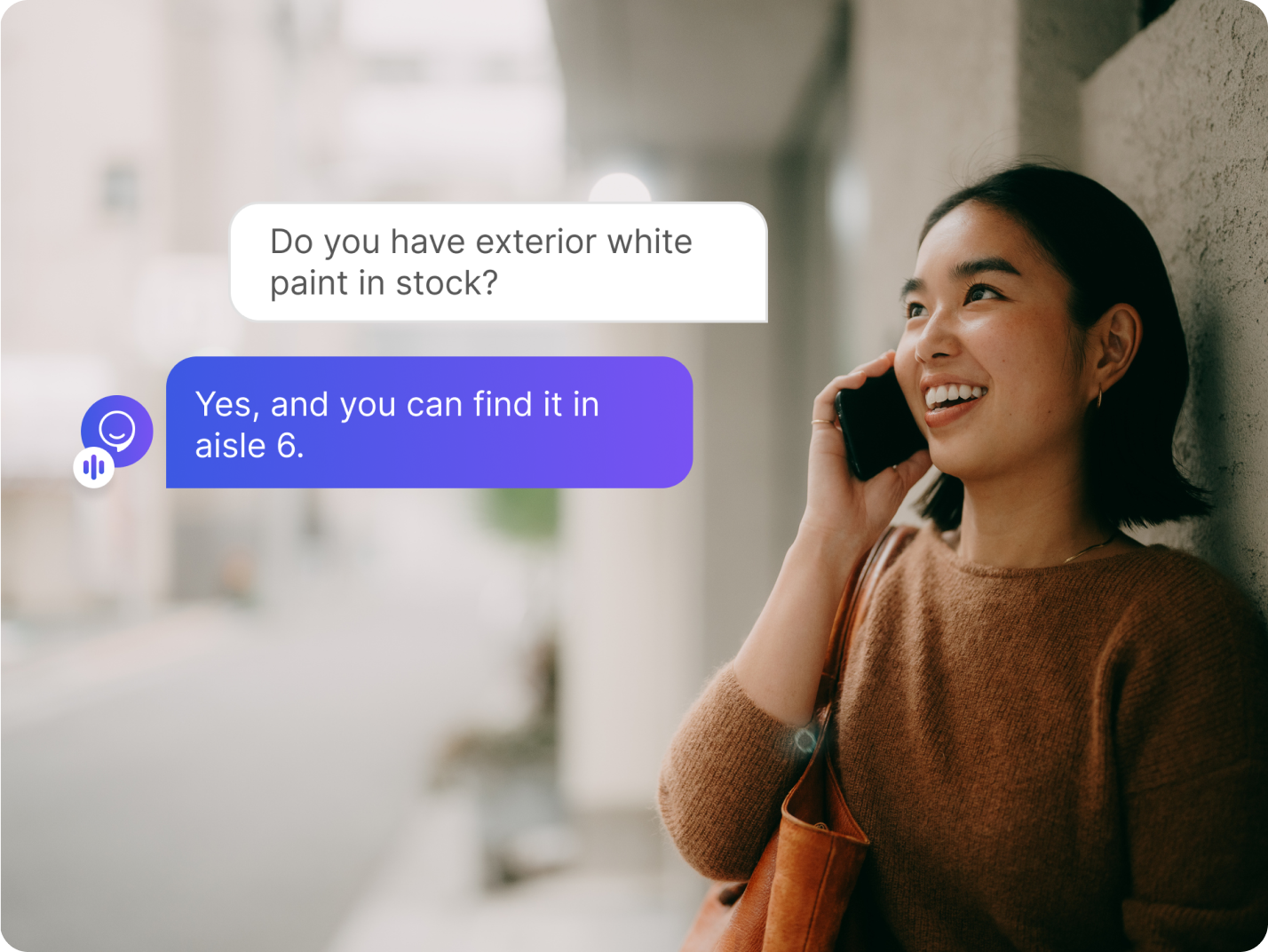
A multilingual AI receptionist removes that barrier at the exact moment it matters most: the first interaction. Here's what that unlocks:
Customer retention. When someone can do business with you in their language, they come back. They don't need to find an alternative. The friction is gone.
Competitive differentiation. In markets where most businesses only answer in English, being the one that greets callers in Spanish or Portuguese makes you the obvious choice. It's a signal that you understand your community.
Word-of-mouth. When a Spanish-speaking customer has a great phone experience with your business, they tell other Spanish speakers. One good experience can drive referrals you'd never reach through marketing.
After-hours capture. Non-English speakers are even less likely to leave a voicemail in a language that isn't theirs. A multilingual AI receptionist captures those after-hours calls that would otherwise disappear entirely.






 8 min read