You've quoted the project, the client seems excited, and then you send the invoice, only to spend the next two weeks chasing a payment that never should have been a question in the first place. The right payment upfront wording fixes this before it starts: it sets the expectation early, sounds professional instead of pushy, and gives clients a clear reason to pay before you begin. Whether you're requesting a full payment or a partial deposit, how you phrase that ask in your proposal, contract, and invoice determines whether clients pay on time or push back. This guide walks through exactly what to say at each stage, from the first proposal conversation to the invoice itself, so you can borrow wording that works instead of guessing. For the fundamentals of invoicing that support this process, check out the complete invoice guide for small businesses, and pair your upfront request with payment terms wording that helps you get paid on time.
Invoice clients and collect payments in one place
Get started
Why upfront payment wording matters
Payment upfront wording is the specific language you use to ask a client to pay some or all of a project's cost before you start the work. Getting this phrasing right matters because it protects your cash flow and filters out clients who aren't serious before you've invested any time. Asking clearly and early also reduces scope creep, since a client who has already paid a deposit has a real stake in defining the project well. Just as importantly, professional wording keeps the request from feeling awkward or unusual. Clients rarely push back on an upfront payment when it's framed as standard practice rather than a special demand.
Step 1: choose your upfront payment structure
Before you write a single word to a client, decide what kind of upfront payment fits the project. The right structure depends on project size, timeline, and how well you know the client, and it shapes everything you say later in the proposal, contract, and invoice.
Percentage deposits vs. full payment
For larger custom projects, many freelancers request a partial deposit for larger projects, with the exact amount depending on the project and client relationship. It's enough to cover initial costs and confirm the client is committed, without asking them to pay for work that hasn't started yet. Full payment upfront tends to fit smaller, fast-turnaround jobs, like a one-off logo design or a short consulting call, where the total is low enough that paying in full feels low-risk for the client.
Milestone-based upfront payments
Multi-phase engagements, like a website build or a multi-month marketing retainer, often work best when you split payments across milestones instead of asking for one large deposit. A common approach is a smaller upfront payment to begin, followed by additional payments tied to each completed phase. This keeps cash flow steady on both sides and gives the client checkpoints to review progress. If part of your upfront ask includes a deposit specifically, see how to structure it correctly in this guide on how to create an invoice for a deposit.
| Project type |
Suggested structure |
Why it works |
| Small, fast-turnaround job |
100% upfront |
Low total cost, low risk for the client |
| Larger custom project |
25-50% deposit |
Confirms commitment without overcharging early |
| Multi-phase engagement |
Milestone-based payments |
Matches cash flow to work completed |
Step 2: set the expectation in your proposal or estimate
One effective time to introduce upfront payment wording is before the client ever sees an invoice. Add a short line to the payment terms section of your proposal or estimate that states the exact amount or percentage due and when it's due, such as before work begins or upon signing. Framing the requirement this early means the client is agreeing to your payment structure at the same time they're agreeing to the project itself, so there's nothing new to react to later.
Sample proposal wording
Try a line like: "A 30% deposit is due upon signing to reserve your project start date, with the remaining balance due at completion." It states the number, the timing, and the reason in one sentence, which keeps the request feeling routine instead of negotiable.
Step 3: write the direct payment request
Once the proposal is signed, the direct payment request confirms the details in writing and gives the client the information they need to pay. Lead with a quick recap of the project scope, then state the upfront amount and due date in the same breath. Keep the tone confident and matter-of-fact. You're confirming a term the client already agreed to, not asking a favor. Include how to pay, whether that's an invoice link, a payment method, or both, so there's no follow-up question standing between the client and payment.
Wording for new clients
Try: "Thanks again for choosing to work together. To kick off the [project name], I'll need the 30% deposit of $[amount] paid by [date]. You can pay directly through the invoice link below, and I'll get started as soon as it clears."
Wording for returning clients
For repeat clients, drop the explanation and keep it short: "Excited to start on this one. Deposit invoice for $[amount] is attached, due [date], same setup as last time."
Invoice clients and collect payments in one place
Get started
Step 4: put the wording in your contract and invoice
A verbal or emailed agreement is a good start, but a written clause in your contract is what protects you if a client disputes the payment later. The invoice should then restate the same terms so nothing gets lost between signing and billing. Consistent wording across your proposal, contract, and invoice keeps everyone on the same page and gives you something concrete to point to if a payment gets delayed.
Contract clause example
Try: "A deposit of $[amount] (30% of the total project fee) is due upon signing this agreement. The remaining balance of $[amount] is due upon project completion." Naming both figures removes any ambiguity about what's owed and when.
Invoice notes and payment terms
On the invoice itself, restate the deposit amount and due date in the payment terms field, then note the remaining balance and how it will be billed, such as "Balance due invoice will follow upon project completion." Once the client is ready to pay, make it easy by offering a few ways to accept payments online rather than limiting them to one method.
Step 5: handle pushback and objections
Most objections to an upfront payment aren't about distrust. They're about cash flow timing on the client's side, so the goal is to hold your policy while showing you're still flexible on the details. A calm, consistent response protects the deposit requirement for this client and future clients as well.
If a client asks to skip the deposit
Try: "I get it, and I want this to work for both of us. The deposit is standard for most projects I take on, so I can't waive it, but I'm happy to lower it or split it into two smaller payments if that helps." This holds the line on the policy while offering a real alternative.
If a client wants a payment plan
Try: "We can split the deposit into two payments instead of one lump sum. Half of $[amount] now, and the other half by [date], before work begins." This keeps the full amount collected before you start, just spread across two dates instead of one.
Step 6: confirm payment before you start work
Even with clear wording throughout the process, don't begin deliverables on a promise to pay. Wait until the deposit actually clears in your account, since a client saying "payment is on its way" isn't the same as funds landing. If the client is paying by bank transfer, timelines vary, so it helps to understand how to set up ACH (Automated Clearing House) payments and how long clearing typically takes before you commit to a start date.
Once the payment lands, send a short confirmation message like: "Got the deposit, thank you! Kicking off work on [project name] now." This keeps the relationship professional and gives the client a clear record that their payment was received and work is officially underway. Tracking payment status this way also protects you from the common mistake of starting work on an invoice that technically hasn't been paid yet.
How Bonsai helps with payment upfront wording
Getting the wording right is only half the job. The other half is making sure the payment terms you write actually stick as the project moves from proposal to invoice to cash in your account, and that's where a lot of freelancers lose the thread. Bonsai proposals let you build the deposit or milestone terms directly into the proposal itself, using industry-specific templates so a photographer's 50% deposit clause and a copywriter's project-based payment schedule don't look like the same generic form. Because Bonsai tracks when a client opens the proposal, you'll know if your upfront payment terms were actually seen before you follow up.
Once the client accepts, Bonsai generates the invoice directly from the proposal items, so the deposit amount and due date you already agreed on carry over instead of getting retyped and possibly reworded. That invoice lives in Bonsai invoicing, where you can set the payment terms field to spell out the deposit and remaining balance, add per-item taxes or discounts if needed, and turn on automated payment reminders so you're not the one sending the follow-up email. If a client is on a retainer or multi-phase project, recurring invoices with auto-pay can handle the milestone payments after the initial deposit clears, so you're not manually rebuilding the same request every month.
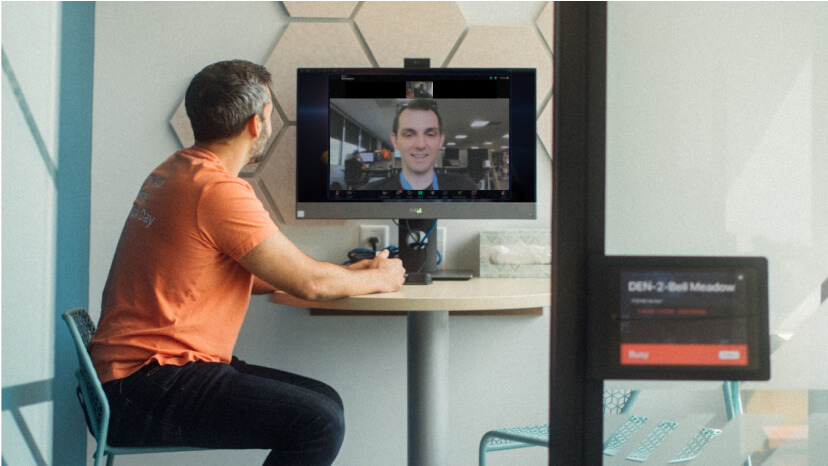
For a website designer who requires a 30% deposit before kickoff, that might look like sending a Bonsai proposal with the deposit terms built in, then hopping on a Zoom call to walk the client through scope. Because Bonsai integrates with Zoom, meeting transcripts from that call sync to the client's record, so the verbal agreement on payment terms is on file next to the signed proposal and invoice, not lost in someone's inbox.
FAQ
Q1: What's another way to say "payment upfront" in an email or invoice?
Instead of "payment upfront," try phrases like "deposit due upon signing," "advance payment," "retainer due before work begins," or "initial payment to secure your project start date." These alternatives sound routine and professional rather than demanding, which helps the request land better with clients.
The right phrase often depends on context: "deposit" works well for one-time projects, while "retainer" fits ongoing or recurring engagements. Rotating this wording across your proposal, contract, and invoice, while keeping the amount and due date consistent, helps the request read as standard business practice instead of a one-off ask.
Q2: How do you ask a client for payment upfront professionally?
Ask for payment upfront by stating the exact amount or percentage due, the deadline, and how to pay, all in a confident, matter-of-fact tone. Frame it as a standard part of your process rather than a special request, and introduce the requirement in your proposal so it's never a surprise by the time the invoice arrives.
For example, a freelance photographer might write: "To confirm your shoot date, a $200 deposit is due within 3 days of booking. You can pay through the invoice link below." Leading with the reason (securing the date, reserving time) and following immediately with the specifics keeps the ask feeling routine instead of negotiable.
Q3: What are some examples of upfront payment terms wording?
A few examples: "A 30% deposit is due upon signing, with the remaining balance due at project completion," or "Full payment of $500 is due before work begins." For milestone-based projects, try: "20% due at kickoff, 40% due at midpoint review, and 40% due upon final delivery."
Each example names a specific figure or percentage and ties it to a clear trigger, whether that's signing, kickoff, or a project milestone. Using this same wording consistently across your proposal, contract, and invoice removes ambiguity about what's owed and when, which reduces the chances of a client disputing the payment later.
Q4: What percentage should you request as an upfront payment?
A partial deposit is common for larger custom projects, since it covers initial costs and confirms the client's commitment without asking them to pay for work that hasn't started. Smaller, fast-turnaround jobs, like a single design asset or a short consulting session, often work better with 100% paid upfront since the total cost is low enough to feel low-risk for the client.
For multi-phase engagements like a website build or a multi-month retainer, milestone-based payments tied to project phases usually work better than one large deposit. The right percentage ultimately depends on project size, timeline, and how well you know the client, so it's worth deciding on a structure before you write any payment wording.
Q5: How does Bonsai help with payment upfront wording?
Bonsai helps by letting freelancers build deposit or milestone terms directly into a proposal using industry-specific templates, so the wording is consistent from the first client conversation onward. Because Bonsai tracks when a client opens the proposal, freelancers know their payment terms were seen before following up.
When a client accepts, Bonsai generates the invoice directly from the proposal items, so the deposit amount and due date carry over without being retyped or reworded. From there, automated payment reminders and recurring invoices with auto-pay can handle follow-up and milestone billing, so the freelancer isn't manually repeating the same request for every phase of a project.
Q6: What should you do if a client refuses to pay upfront?
Hold your policy while staying flexible on the details. A response like "The deposit is standard for every project I take on, so I can't waive it, but I'm happy to lower it or split it into two smaller payments if that helps" protects the requirement without sounding rigid.
If a client still resists, offering a short payment plan, such as splitting the deposit into two smaller payments before work begins, often resolves the concern since it's usually about timing rather than an unwillingness to pay. What matters most is not starting deliverables until the agreed-upon amount has actually cleared, regardless of how the payment gets split.
Clear payment upfront wording turns an awkward money conversation into a routine step in your process, one that starts in the proposal and stays consistent through the contract and invoice. Clients rarely push back on a deposit or advance payment when it's framed with confidence and backed by the same terms every time. If you're ready to make that wording stick automatically from proposal to invoice, Bonsai by Zoom can help keep the details consistent so you spend less time chasing payments and more time doing the work you were hired for.
Invoice clients and collect payments in one place







 11 min read