
Your guide to getting started with ZoomMate
Everything you need to start using ZoomMate: notes, search, workflows, and AI tools — all inside Zoom Workplace.
"Nobody made an outstanding wine shaving hours off the fermentation cycle." Why a room of executives stopped talking about efficiency and started talking about people.
 9 min read
Published on July 27, 2026
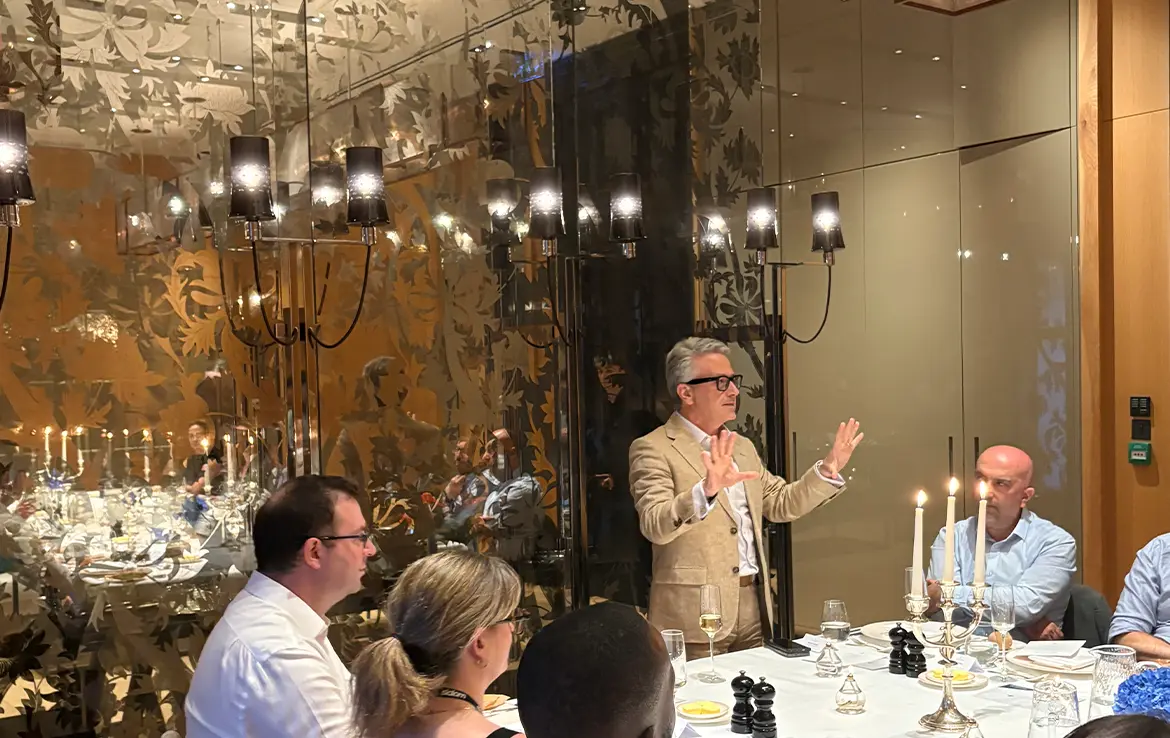



"What happens when you stop chasing efficiency and start designing for effectiveness?" That's the question a room full of senior executives tackled on June 16, 2026, at a Zoom Executive Community Meetup in partnership with Chief Wine Officer. Over fine wine and frank conversation, leaders from global brands explored how AI can elevate human potential rather than simply replace it.
Benedetto Conversano, executive advisor at Zoom, opened the evening with a Zen parable about a farmer who greets every twist of fate with the same words: "Maybe so, maybe not."
His point landed immediately. We can't use old patterns to redesign a better future. We're overindexing on efficiency at the expense of effectiveness in the AI adoption race. Technology can save time, sure. The real question is what we do with that reclaimed capacity.
"Efficiency has a floor, while effectiveness has no ceiling," Benedetto said. "Nobody made an outstanding wine shaving hours off the fermentation cycle."
The true value of AI, he argued, isn't in the hours saved. It's in how those hours get redeployed to create new value, deepen relationships, and solve problems we couldn't tackle before. Most digital transformation initiatives have failed precisely because they optimized for speed without rethinking outcomes.
Could AI actually improve quality of life at work? Benedetto thinks so. Fear, though, kills the creative thinking needed to design a better future. If we let it dominate the transformation, we lose the mental power to imagine something different.
The room responded immediately. Executives shared stories of automation projects that delivered speed gains yet failed to move the business forward. The gap between efficiency and effectiveness was familiar territory for everyone.
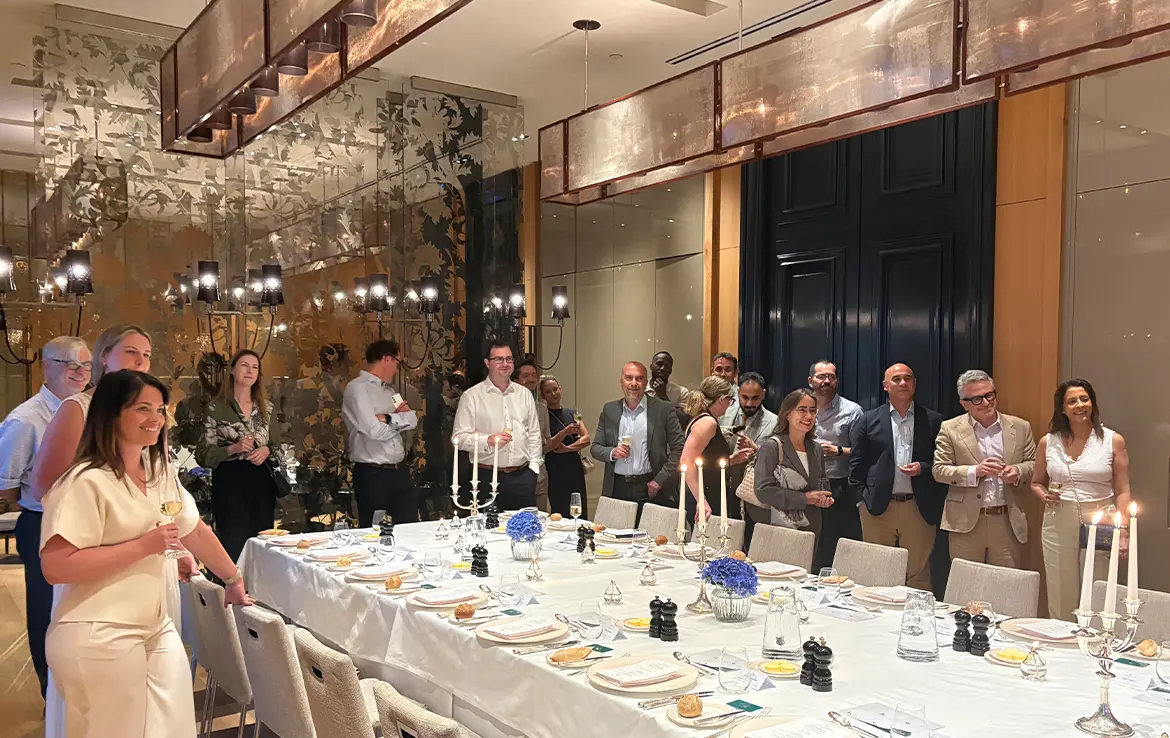
Laura Ball, global CX AI sales and GTM lead at Zoom, picked up the thread with a direct challenge: technology doesn't transform businesses. People do.
With characteristic Yorkshire candor (tempered, she joked, by sticking to water to avoid "oversharing"), Laura pushed the audience past efficiency metrics toward what she called "effectiveness levers."
Laura outlined five distinctly human strengths that define the next era of transformation:
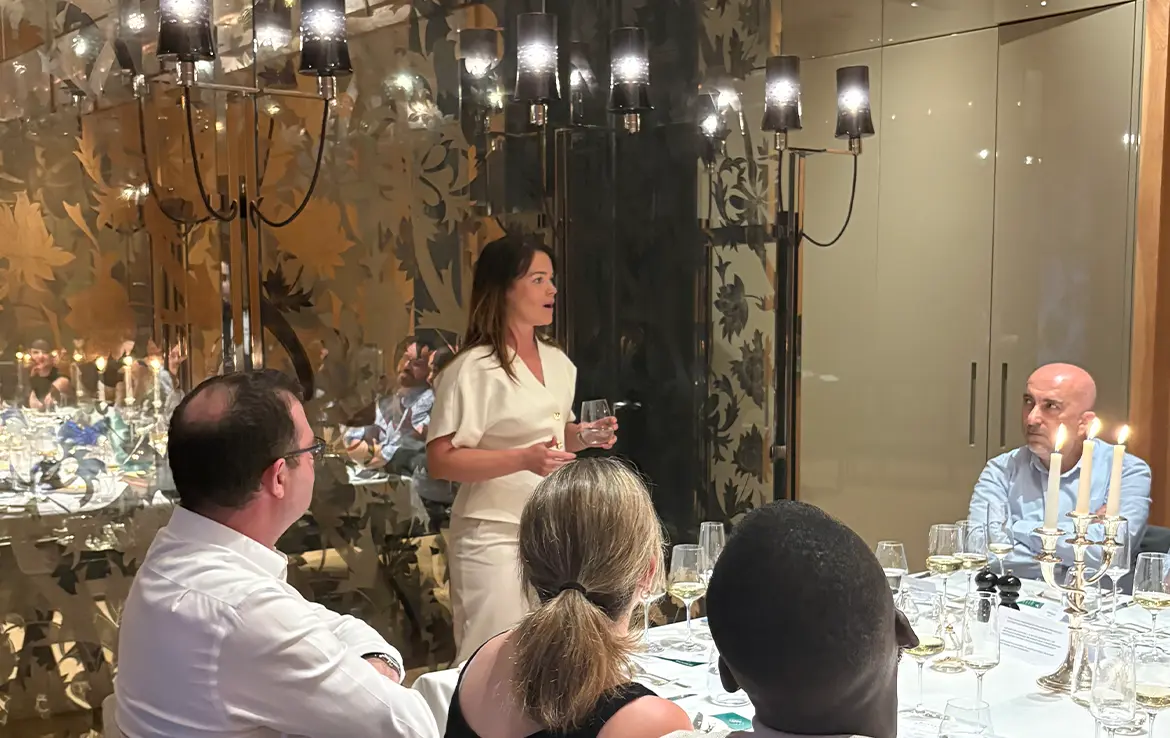
Drawing on a decade of redesigning operations across industries, Laura shared examples that brought the theory to life.
In financial services, customer service agents were upskilled into AI agent designers and builders. These roles didn't exist before. Now they're industry standard. In retail, store associates became digital stylists, connecting with customers remotely while driving incremental revenue. In the public sector, teams freed from administrative tasks were redirected to provide emotional support for people in financial difficulty.
These weren't technology implementations. They were human redesign stories. Each began with a simple question: "What could this person do if we freed them from the repetitive?"
Following the presentations, the room erupted into animated discussion. Leaders debated how to measure human-centered ROI, how to build psychological safety for teams navigating change, and how to make the case for empathy and creativity in traditional business frameworks.
Common themes emerged across the conversations:
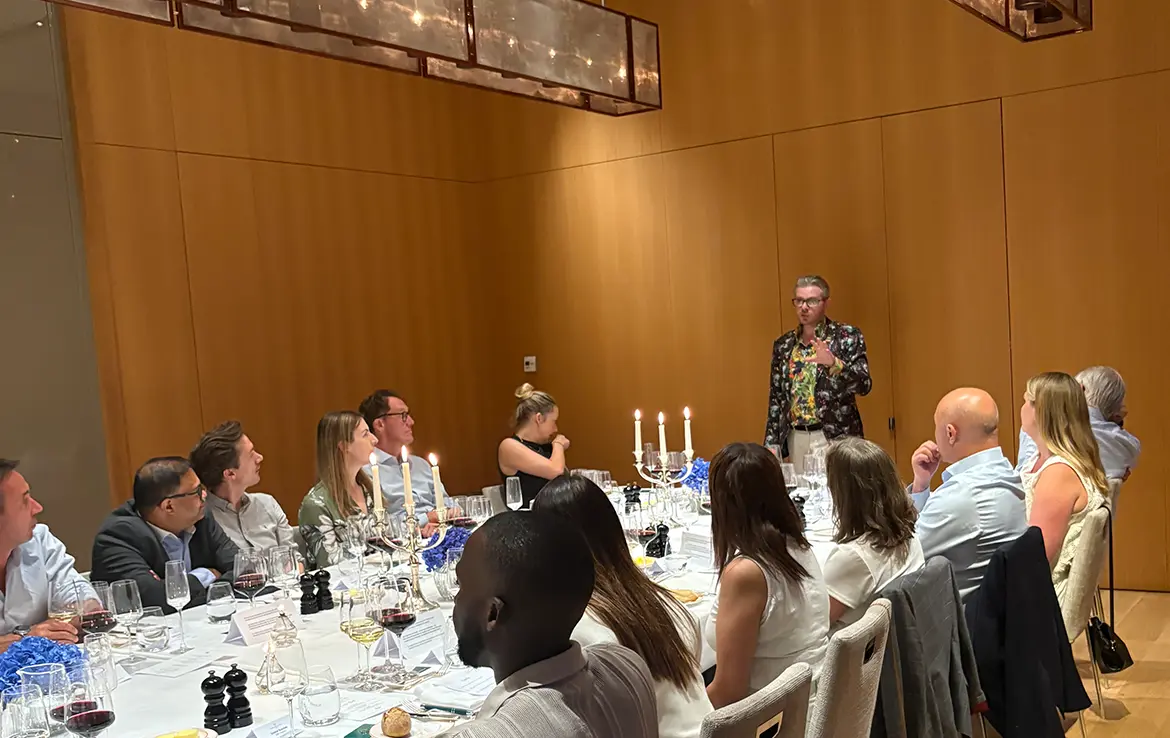
Laura closed with three invitations that resonated across the room:
As the formal presentations concluded, the discussions continued, as did the wine tasting. Valerie Sitterlin, Director of Enterprise AI Transformation at Elsevier, demonstrated exceptional wine knowledge and expertise, impressing both the Wine Host and fellow executives. In recognition, she was ceremoniously crowned Chief Wine Officer for the evening, a playful acknowledgment that human capabilities extend far beyond our professional domains!
Niall Carter, major and enterprise sales manager, UK&I at Zoom, closed the evening by emphasizing our commitment to building a thriving executive community across EMEA. A space where leaders connect, share challenges, and collectively reimagine what's possible when technology serves human potential.
If you're interested in joining future conversations like this one, visit the Zoom Executive Community page to learn more. We're hosting upcoming Table Talks that dig deeper into these themes, from measuring human-centered ROI to building transformation-ready cultures. These intimate, peer-to-peer sessions are designed for senior leaders who want to move beyond the hype and into practical, human-centered AI transformation.
The Chief Wine Officer's final wisdom: Just as great wine requires patience, the right conditions, and an understanding that you can't rush the process, true transformation requires us to create the conditions for human potential to flourish. Trust that the results will be worth the wait.
What is the Zoom Executive Community?
It's a peer network for senior leaders across EMEA. Think intimate roundtables, not conference panels. The focus is on real conversation about transformation, AI, and the future of work, with people who are navigating the same challenges you are.
Who typically attends these meetups?
C-suite and senior executives across industries, from enterprise AI and transformation leads to heads of customer strategy and operations. The room is deliberately small to keep the conversation honest and practical.
How are these sessions different from a typical industry event?
They're off-the-record, peer-to-peer, and designed for dialogue. No keynote decks, no sales pitches. You come to share what's working (and what isn't) with people at a similar level.
What topics do you cover?
Each session has a theme. Recent and upcoming topics include human-centered ROI, building transformation-ready cultures, and the role of AI in elevating (not replacing) your workforce.
How do I join?
Visit the Zoom Executive Community page to register your interest. We'll reach out with details on upcoming Table Talks and meetups in your region.
How are you reimagining the future you haven't designed yet? We'd love to hear your thoughts.