

Metadata drives measurable pipeline with Zoom Webinars and Events

How Metadata's lean marketing team turned virtual conferences into a repeatable revenue driver while improving the host and attendee experience.

Metadata Hero
Metadata logo
Industry:

Marketing Technology

Organization size

25-50 employees

Challenges:

Hosting engaging events that drive revenue impact as a small team

Products used
95%

reduction in manual event setup time

23%

of successfully closed deals influenced by events

2.5x

higher close rates for event-influenced deals

4,000+

registrants for Metadata’s annual conference

Several years ago, Metadata hosted an online conference that crashed mid-event. Attendees dropped off. Momentum disappeared. James Silvestri, Metadata’s Head of Demand Generation, never forgot that moment.


They ultimately shifted to smaller webinars, but the desire for large virtual events didn't go away.


“Events are core to generating long-term pipeline for Metadata. They are a stage for Metadata to be the industry leader in the space,” James said.


The problem: Metadata didn’t have a scalable way to make online events a measurable revenue driver. With a lean marketing team, they didn't have an event coordinator, production support, budget for third-party contractors, or time for technical troubleshooting or manual mistakes.


If Metadata was going to revive large virtual events, they needed a reliable platform they could count on.

Putting online events back on the agenda

Metadata—maker of an AI-driven B2B digital advertising platform—already used Zoom for meetings and webinars. James knew the interface. He trusted the uptime. So when he evaluated Zoom Events, he skipped a pilot entirely. With their annual event just two weeks away and no room for failure, he added it to their existing contract.


A call with Zoom's advisor team helped him structure a three-day conference with more than 20 speakers. The rest he built himself, leaning on Zoom Learning Center and hands-on exploration.


“The Zoom team helped tremendously,” James said. “I wouldn’t have had a feedback loop were it not for them.”


Despite the compressed timeline, the event went live without a hitch. Because speakers and attendees were already familiar with Zoom, the team avoided the usual friction of onboarding and troubleshooting. Even last-minute support was simple. On day two, he pulled two team members from another department to help manage the green room. Within an hour, they had mastered the controls for testing audio and video, reviewing slides, and configuring settings.

Connecting engagement to a 2.5x higher close rate

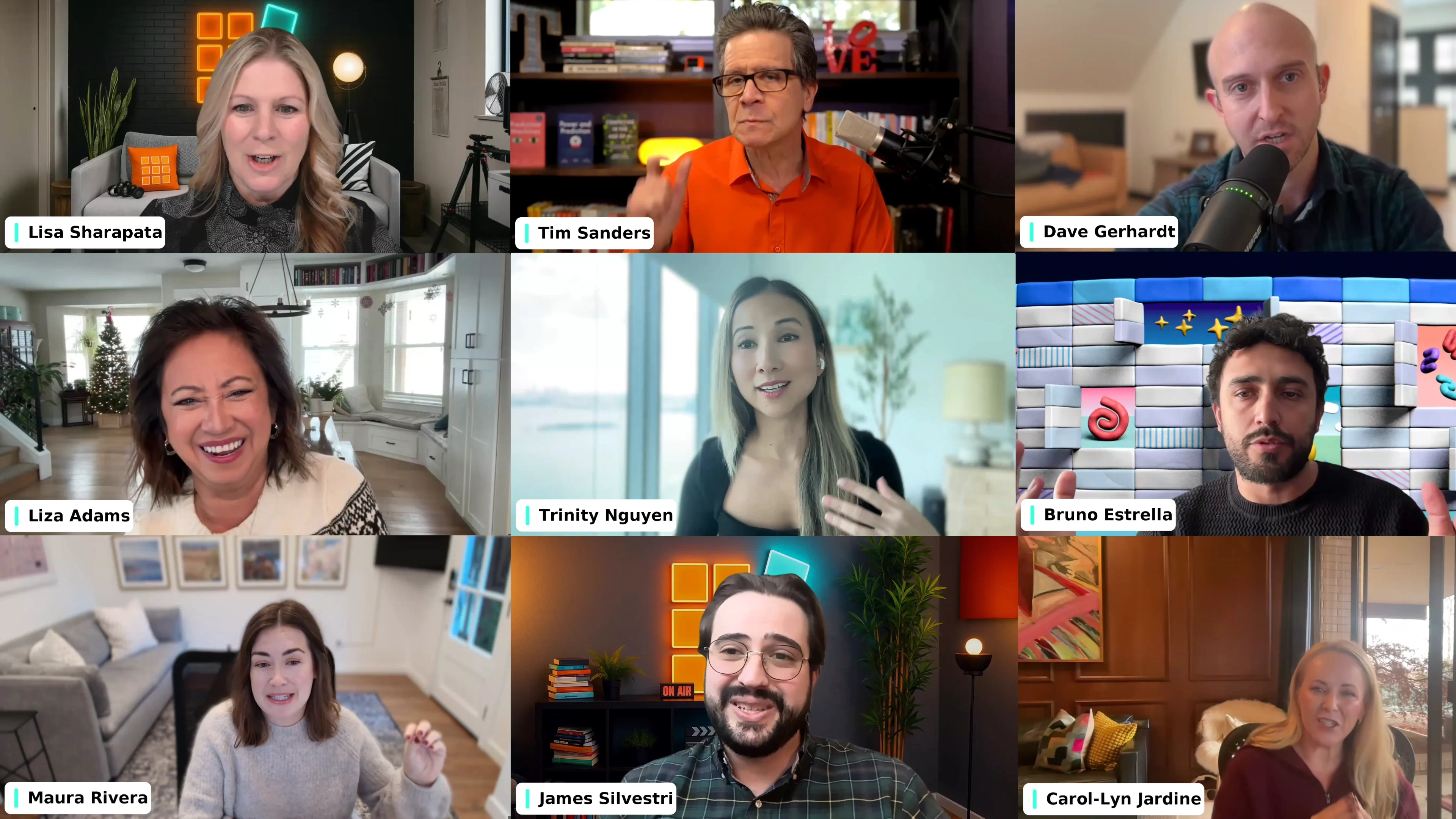
More than 4,000 people registered for Metadata’s annual conference, and 1,500 attended live.


The result:


  • Engagement in the conference chat was much higher than in the webinars
  • Guests enjoyed a smooth, multiday streaming experience
  • Metadata’s website traffic spiked during the event
  • The team wasn't worried about connectivity disruptions because of features like the automated fallback mechanism


But the real impact came after the event. Metadata found that the event influenced 23% of closed deals following the conference. Deals that included event engagement closed at a 2.5x higher rate.


“These were the most important metrics. They confirmed that online conferences can have tremendous pipeline influence,” James said.

More events with 95% manual event setup time

Once leadership saw these results, they shifted the event cadence from annual to quarterly.

Running quarterly events with a lean team sounds unsustainable. For James, it became the opposite. After the first conference, he saved the event as a template so the team could quickly reuse it for future events. What had once taken weeks of production became something the team could execute in a fraction of the time, without starting from scratch.


“The prep was so much easier, and the setup time was so much faster,” James said. “The second we hit duplicate, we carried over 95% of the work we would have had to recreate from scratch.”


What changed wasn’t just efficiency, it was output. A lean team could now run a consistent event program without sacrificing quality or speed.


Making marketing fun again

Each conference also became a source of ongoing marketing value. Metadata repurposed nine hours of event content that fed their paid digital and AI campaigns. From a single event, they got material for months.


“From a brand perspective, the conference yielded content that continues to build credibility,” James said.


For now, James has proven that high-impact online conferences are more than just possible. They can help drive sales, build brand awareness, and support long-term marketing initiatives. More than anything else, this experience has changed his job for the better.


Get started today