Zoom Revenue Accelerator gives your reps real-time AI guidance, instant feedback, and proven playbooks to close more deals with confidence.

AI sales coach
The AI sales coach that guides every rep to close more deals
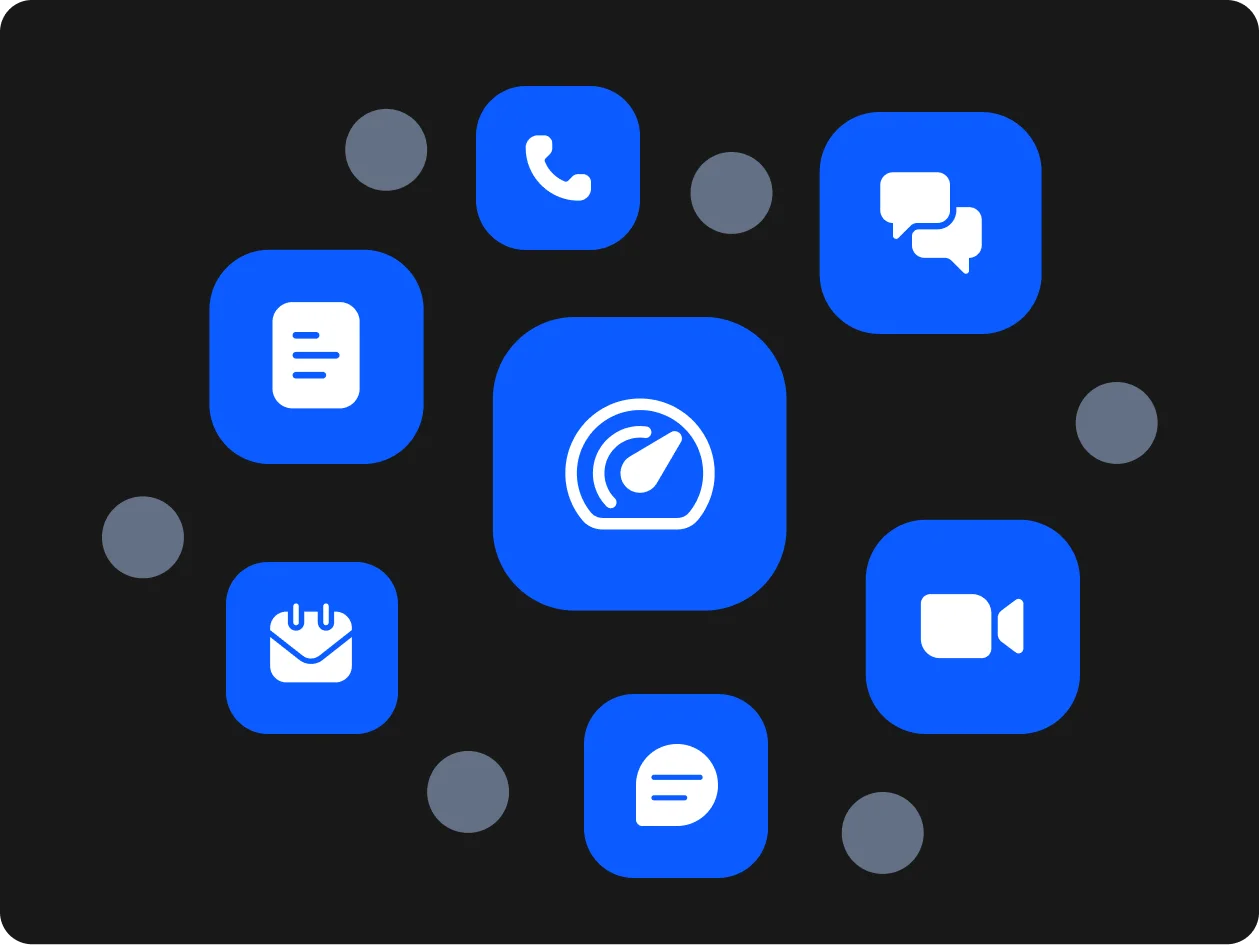

Unified ecosystem
One Zoom platform. Every conversation.
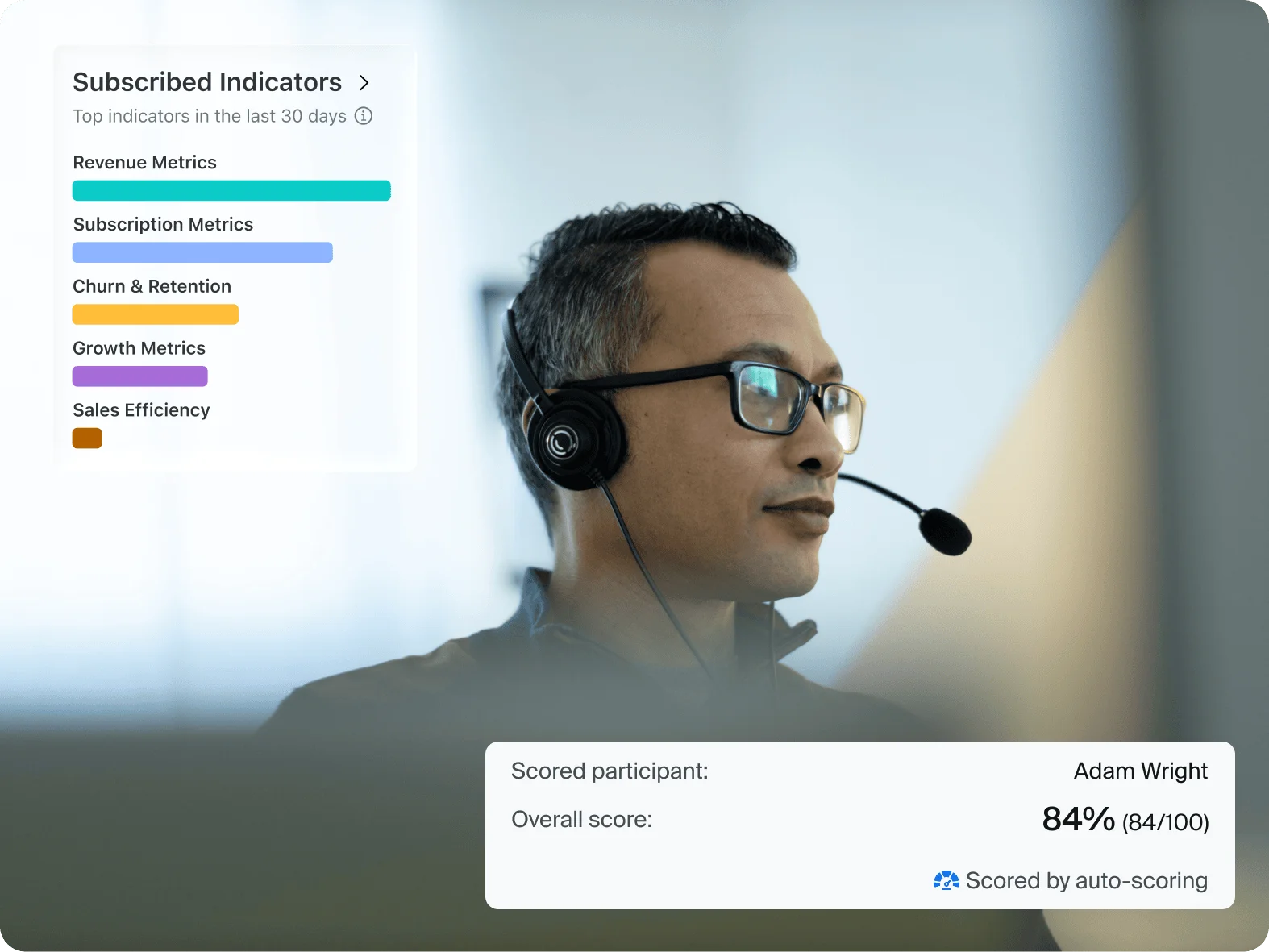
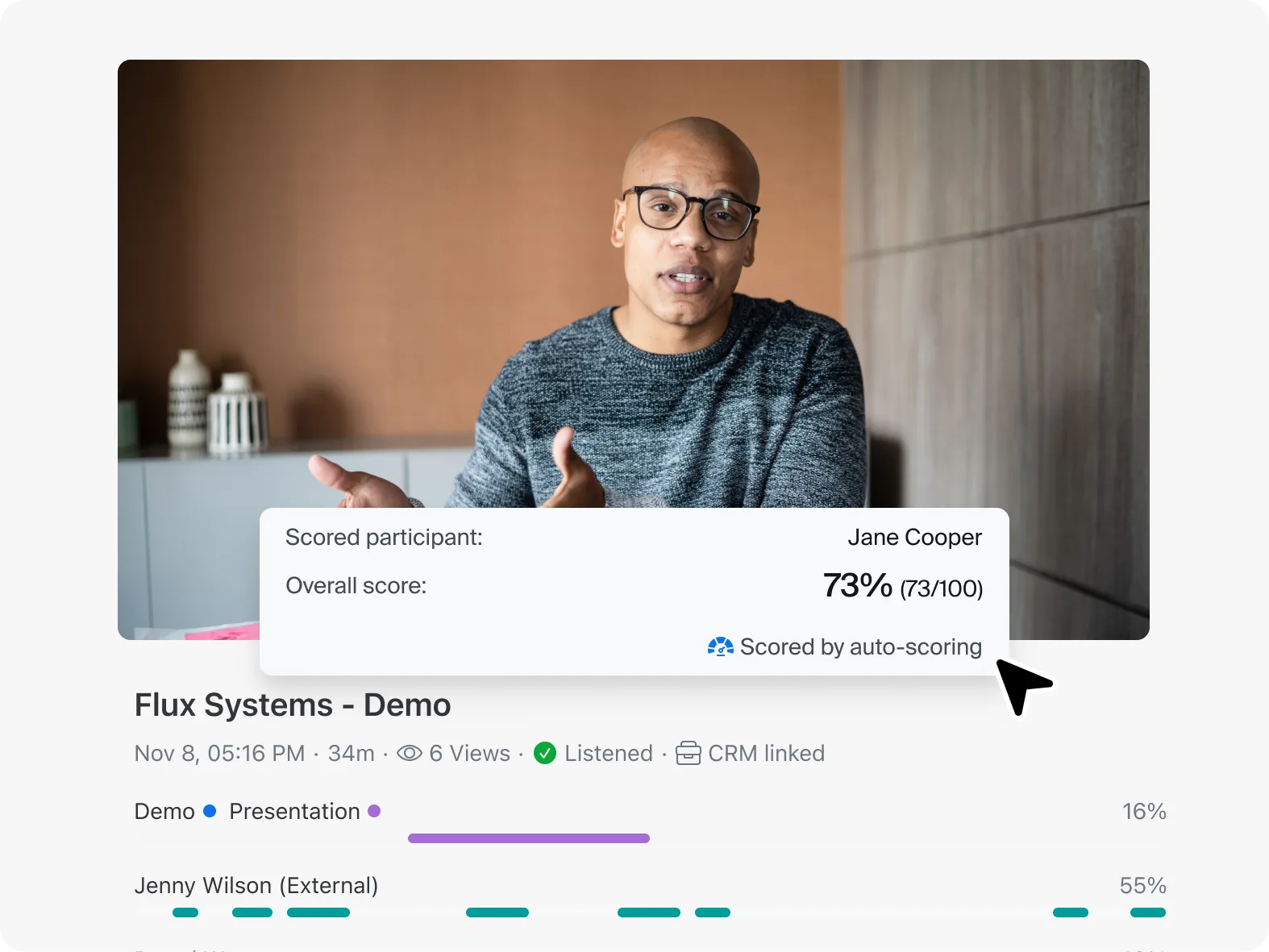
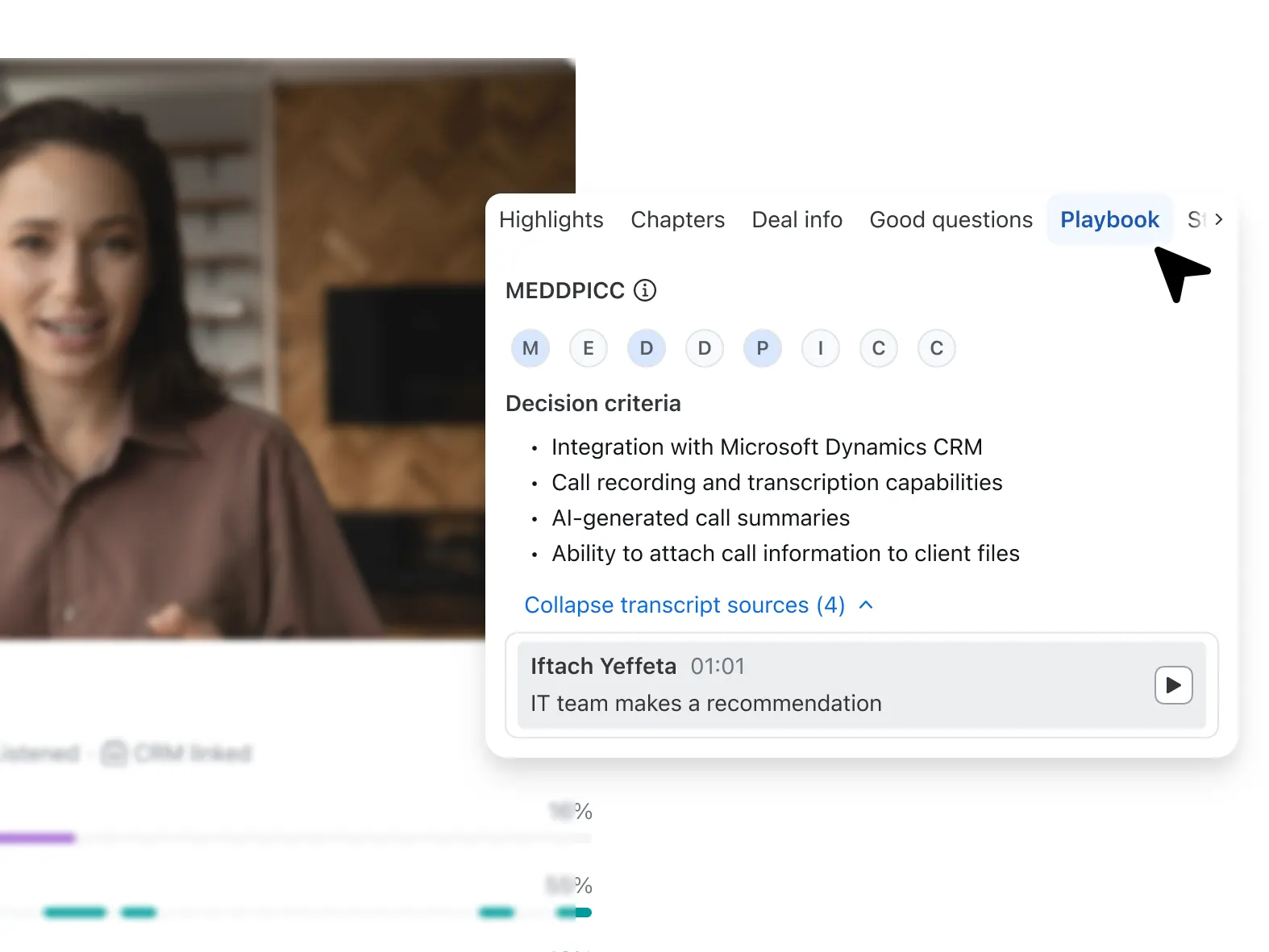
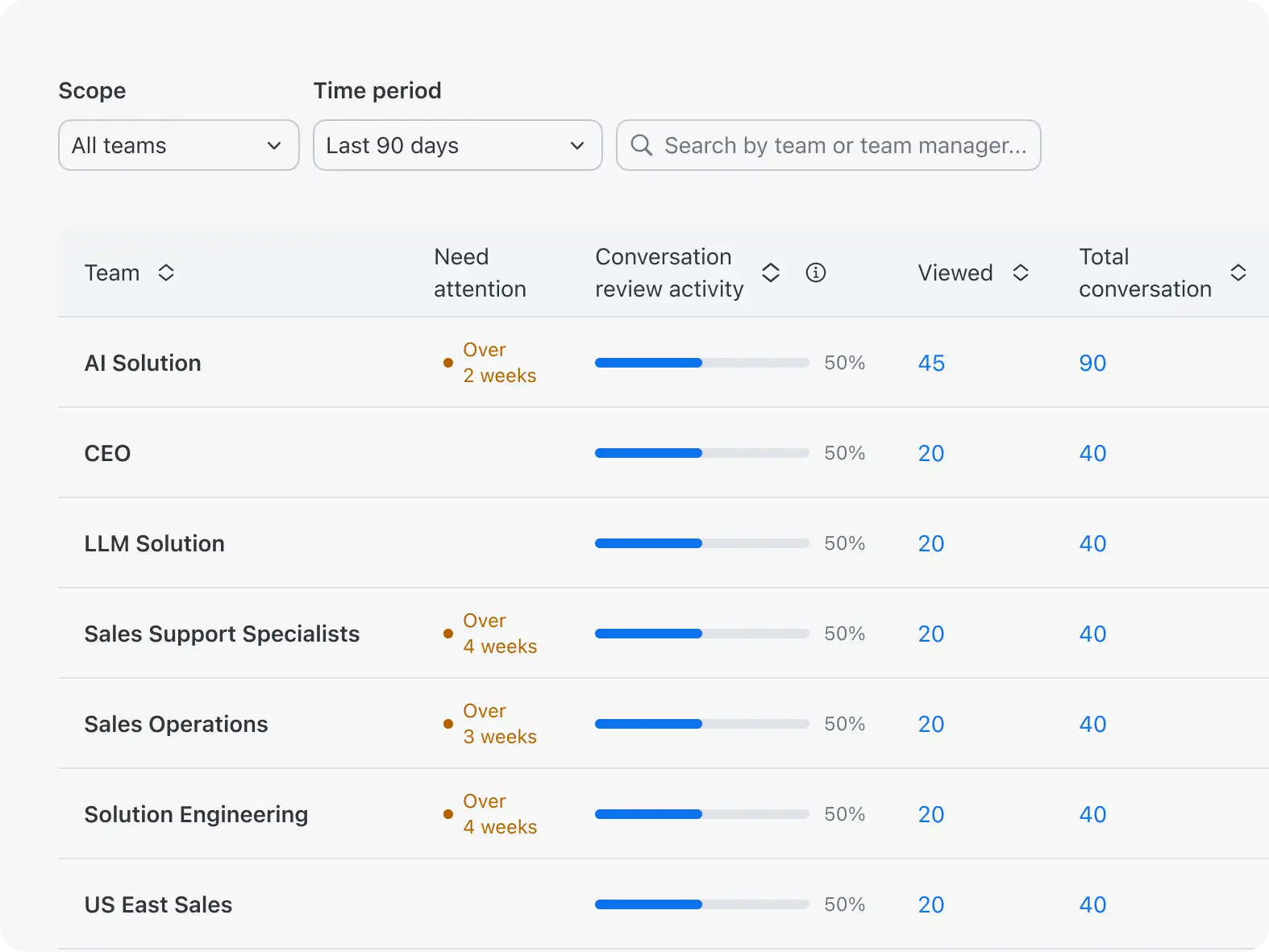
Meetings, phone, email, SMS, chat — all connected. Revenue Accelerator unifies disconnected workflows and delivers what matters: pipeline generation, live guidance, and follow-through that drives revenue.



Connect with us
Ready to accelerate
your revenue?
Discover how Zoom Revenue Accelerator can help your team connect, coach, and close — all on one platform.
FAQs
Got questions? We’ve got answers.
Sales prospecting is the process of identifying and reaching out to potential customers — known as prospects — who fit your ideal customer profile (ICP). It is the critical first step in the sales cycle, where sales reps convert cold leads into qualified opportunities to fuel the revenue pipeline.
Effective prospecting helps your sales team spend their time on high-quality leads that are likely to convert. Key benefits include:
- Predictable revenue: Maintains a steady flow of deals in the pipeline.
- Increased efficiency: Reduces time wasted on leads that don't fit your business model.
- Competitive edge: Allows you to engage potential buyers before they search for competitors.
What are the most common sales prospecting techniques?
Modern sales prospecting uses a multi-channel approach to build relationships. Popular techniques include:
- Social selling: Using platforms like LinkedIn to engage with prospects' content.
- Warm outreach: Using referrals or shared connections to "warm up" a first contact.
- Email personalization: Crafting tailored messages that address specific prospect pain points.
- Networking: Attending digital and in-person events to meet potential buyers directly.
To determine if a prospect is worth pursuing, sales reps typically use qualification frameworks like BANT (Budget, Authority, Need, and Timing). You can ask questions like:
- Does this prospect fit our ideal customer profile?
- Do they have a clear business need or pain point we can solve?
- Does the person have the authority to make a purchasing decision?
- Is there an allocated budget and a specific timeline for a solution?
While often used interchangeably, there is a distinct difference in the sales funnel:
- Leads: Individuals who have shown initial interest (e.g., signing up for a newsletter) but haven't been vetted.
- Prospects: Leads that have been qualified as a "fit" for your product and are ready to be moved into the opportunity stage.
Sales prospecting tools automate time-consuming tasks like lead research, data entry, and follow-up scheduling, freeing your team to focus on high-value conversations. They use AI to score and prioritize leads based on engagement and fit, ensuring reps connect with the most promising prospects first. Advanced platforms like Zoom Revenue Accelerator also enable multi-channel outreach at scale, tracking every interaction across email, phone, and SMS in one unified system. This combination of automation and intelligence helps teams generate more pipeline with less manual effort.