What is a virtual classroom? Tips to set one up
From leveraging the right tech to supporting secure online classes, keep reading for some best practices for creating your virtual classroom.
Updated on September 22, 2022
Published on November 02, 2020
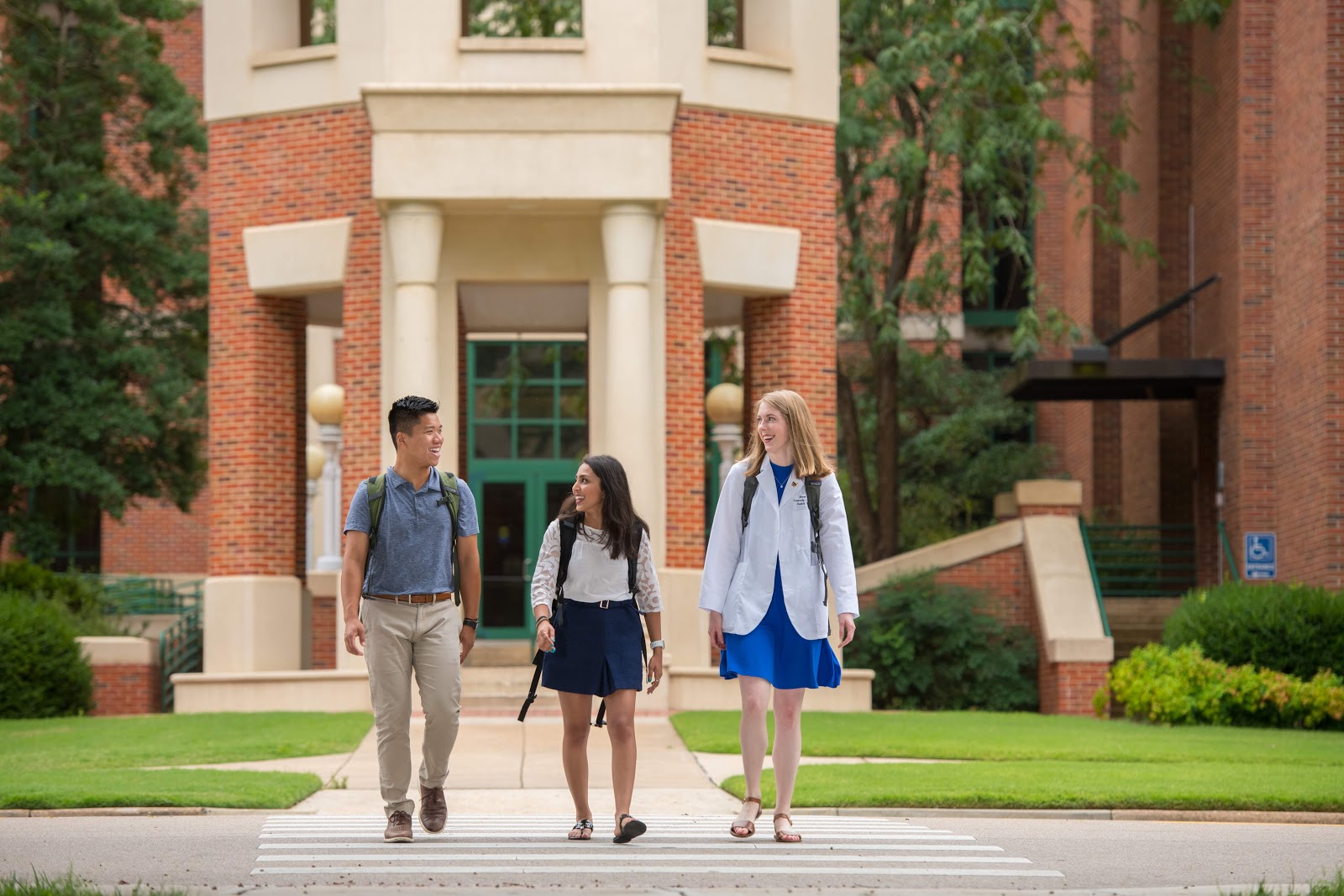
Students at the University of Mississippi School of Pharmacy (SOP) spend their first two years on campus in Oxford, Mississippi, and their final years at the University of Mississippi Medical Center in Jackson — a 2.5-hour drive. The school started using Zoom in 2018 to connect the two campuses and provide an alternative to in-person instruction.
“Geography no longer matters with Zoom. We can Zoom from anywhere and everywhere,” said Sarah Campbell, instructional design and training specialist at SOP.
Zoom effectively allowed educators to teach students when they weren’t in the same room, or even in the same city. And when campuses shut down due to the COVID-19 pandemic, Zoom kept the program humming along, allowing 120 pharmacy students to graduate on time. Here’s how they did it.
Campbell stressed that schools can’t just use Zoom, they need to “Zoom well.”
“Don’t let Zoom be just a toy or a tool — it needs to be part of the culture,” Campbell said. “It’s the foundation of what you do. Build a healthy digital teaching and learning philosophy with people who are willing to learn and see it as a process that’s always changing.”
Dr. David Colby, an SOP professor who launched the first Zoom pilot class, reported a 10-point increase in exam score averages from the previous year by doing two things: using Zoom to capture lectures that students could then access on-demand, and offering virtual exam reviews.
The same approach applies to teaching faculty members how to use Zoom. For Campbell, the turning point came when she stopped scheduling long training sessions and started hosting faculty drop-in hours, which were more flexible and tailored to their needs.
“When they have questions, I ask, ‘What would you like? An article? A video? Do you want to talk to me or another faculty member?’” she said.
When the campus closed during the pandemic, Campbell saw an opportunity not just to substitute in-person classes with online content, but to augment the entire learning experience. Faculty members used virtual tools like Zoom Breakout Rooms and Google Docs in synchronous learning to actually increase attendance and engagement.

“In our remote Zoom classes, we consistently achieved near-perfect attendance,” Campbell said. “We could see that our Google Docs [used for collaboration] and Breakout Rooms had 100% participation. Poll, chat, and annotation features augmented the experience with instant feedback for learners and real-time data for instructors. The additional educational outcomes students achieved were impossible while stuck in an old paradigm, a traditional classroom.”
Students in their fourth year complete advanced pharmacy practice experiences (APPE), which involves logging 1,440 hours of hands-on training required by the Accreditation Council for Pharmacy Education (ACPE). But when COVID hit, “students couldn’t go to the pharmacy,” Campbell said. “There were schools that actually chose to delay students’ progression, but we found a way. And it wasn’t possible without Zoom.”
SOP Professors Dr. Daniel Riche and Dr. Laurie Fleming quickly flipped the courses to a hybrid model of synchronous and asynchronous project-based learning. They hosted Zoom sessions in the morning, followed by independent and collaborative multimodal projects in the afternoon.
“Zoom made on-time graduation possible, and preliminary results currently show a 97% passing rate for early test-takers on the NAPLEX [pharmacy licensure exam],” Campbell said.
“We have all these educational outcomes that only happened because we used technology to augment the learning process,” Campbell said. “We are not going backward. But we do need to keep moving forward, focusing on learner access, personalization, and equity.”
To do that, she suggested continuing the conversation with colleagues and higher-ed peers, asking questions like:
For Campbell, distance learning isn’t just a measure of innovation or a stopgap solution, it’s essential to putting students first and giving all students the best educational experience possible.
“We used to say that A students sit in the front, but in the classroom, there aren’t enough front-row seats for everyone,” she said. “On Zoom, every seat becomes a front-row seat.”
See how schools like Arizona State University and the University of Sydney are using Zoom for Education to improve student engagement and connect campuses.